The Ultimate Guide to Pitched Roof Installation and Maintenance


Introduction to Pitched Roofs
Pitched roofs are a popular choice for homeowners due to their aesthetic appeal and functional benefits. These roofs, characterized by their sloping design, effectively manage rainwater and snow, preventing water accumulation and potential damage. This guide will walk you through the essentials of pitched roof installation and maintenance.

Understanding Pitched Roof Designs
Pitched roofs come in various styles, including gable, hip, and mansard. Each design offers unique advantages and is suitable for different architectural styles and climates. When choosing a design, consider factors such as weather conditions, aesthetic preferences, and budget constraints.
Benefits of Pitched Roofs
Pitched roofs provide excellent water drainage, reducing the risk of leaks. Their sloped design also enhances attic ventilation, helping to regulate indoor temperatures. Additionally, they offer increased durability and longevity compared to flat roofs.

Steps for Installing a Pitched Roof
Installing a pitched roof involves several critical steps. Here's a brief overview:
- Planning and Design: Choose the right design and materials for your needs.
- Preparing the Site: Ensure the building structure can support the roof.
- Framing the Roof: Construct the roof's framework using rafters and trusses.
- Installing the Roofing Material: Lay down shingles, tiles, or metal sheets.
- Finishing Touches: Add insulation and ventilation systems.

Maintaining Your Pitched Roof
Proper maintenance is crucial for extending the lifespan of your pitched roof. Regular inspections help identify potential issues before they become major problems. Here are some maintenance tips:
Regular Inspections
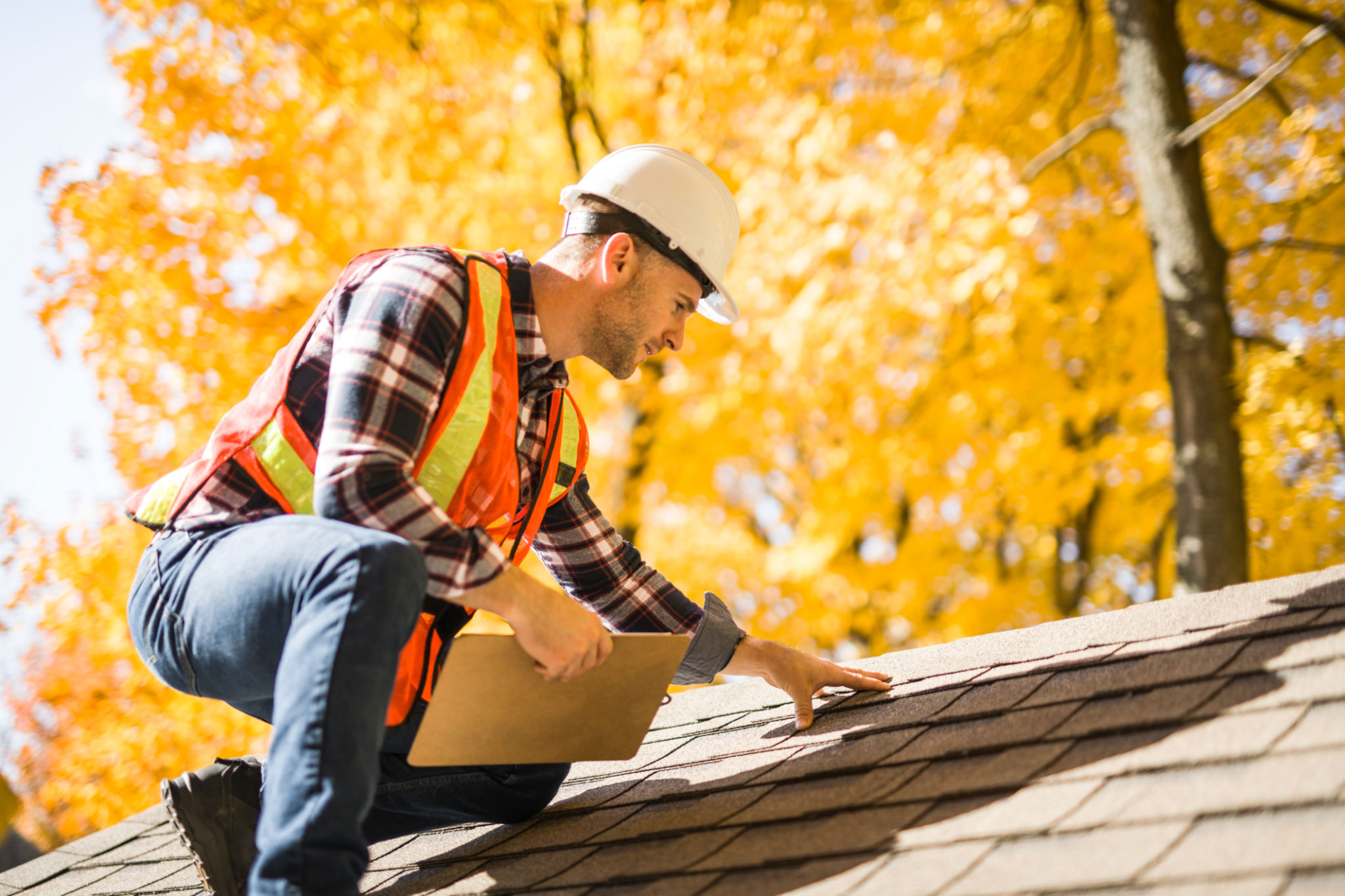
Conduct inspections at least twice a year, preferably in spring and fall. Check for damaged shingles, leaks, and debris buildup. Addressing minor issues promptly can prevent costly repairs in the future.
Cleaning and Repairs
Keep your roof clean by removing leaves, branches, and other debris. This prevents moisture buildup and mold growth. If you notice any damage, such as cracked shingles or loose tiles, repair them immediately to maintain the roof's integrity.
Conclusion
Pitched roofs are a valuable investment for any home, offering beauty and functionality. By understanding the installation process and committing to regular maintenance, you can ensure that your roof remains in top condition for years to come. Whether you're building a new home or renovating an existing one, a well-maintained pitched roof will provide peace of mind and enhance your property's value.