Flat vs. Pitched Roofs: Which is Right for Your Property?


Introduction to Roof Types
When it comes to designing or renovating a property, one of the crucial decisions involves choosing the right type of roof. The two most common types are flat roofs and pitched roofs. Each has its unique advantages and disadvantages, and the best choice depends on various factors such as climate, budget, and aesthetics.
Understanding Flat Roofs
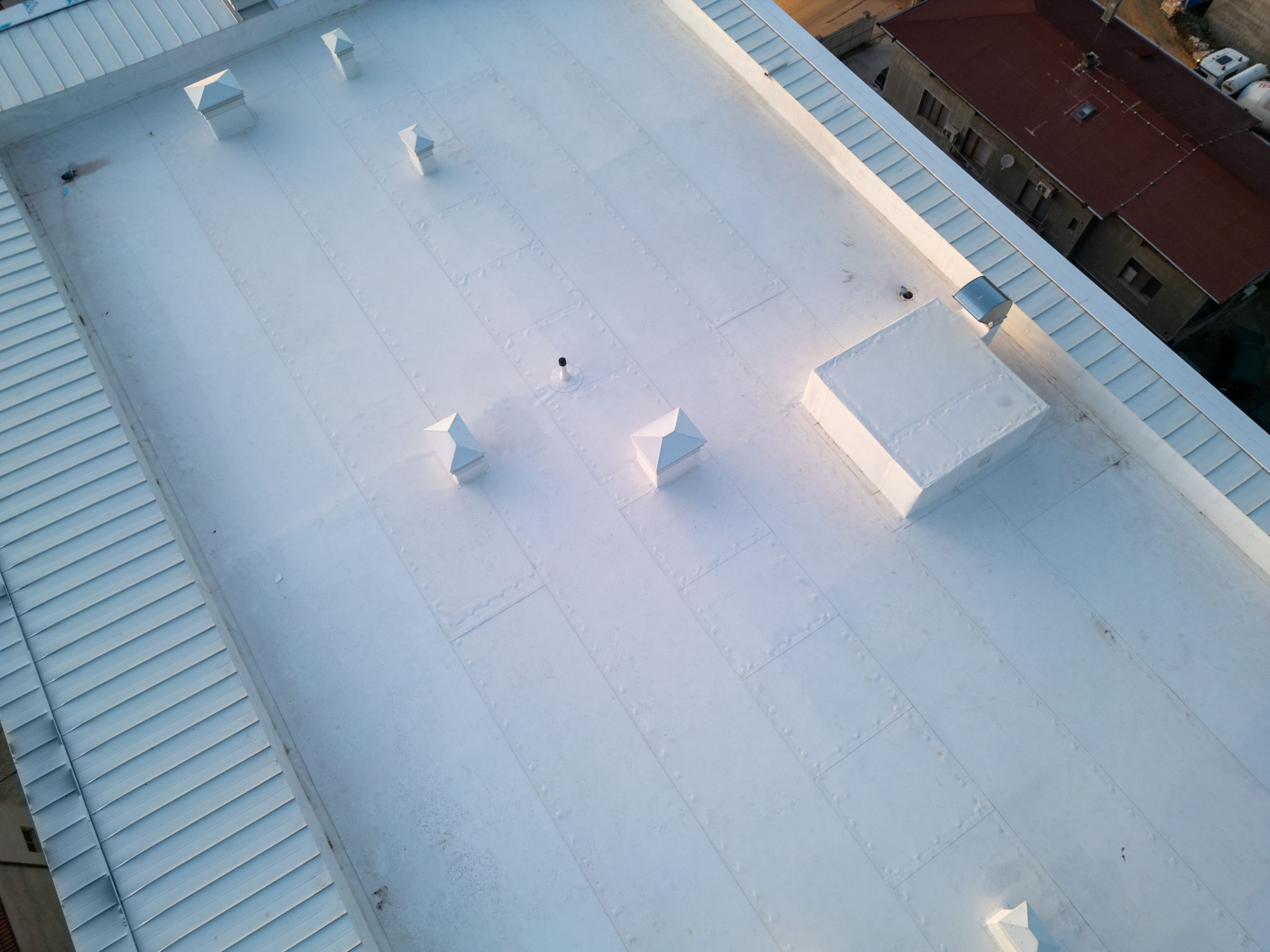
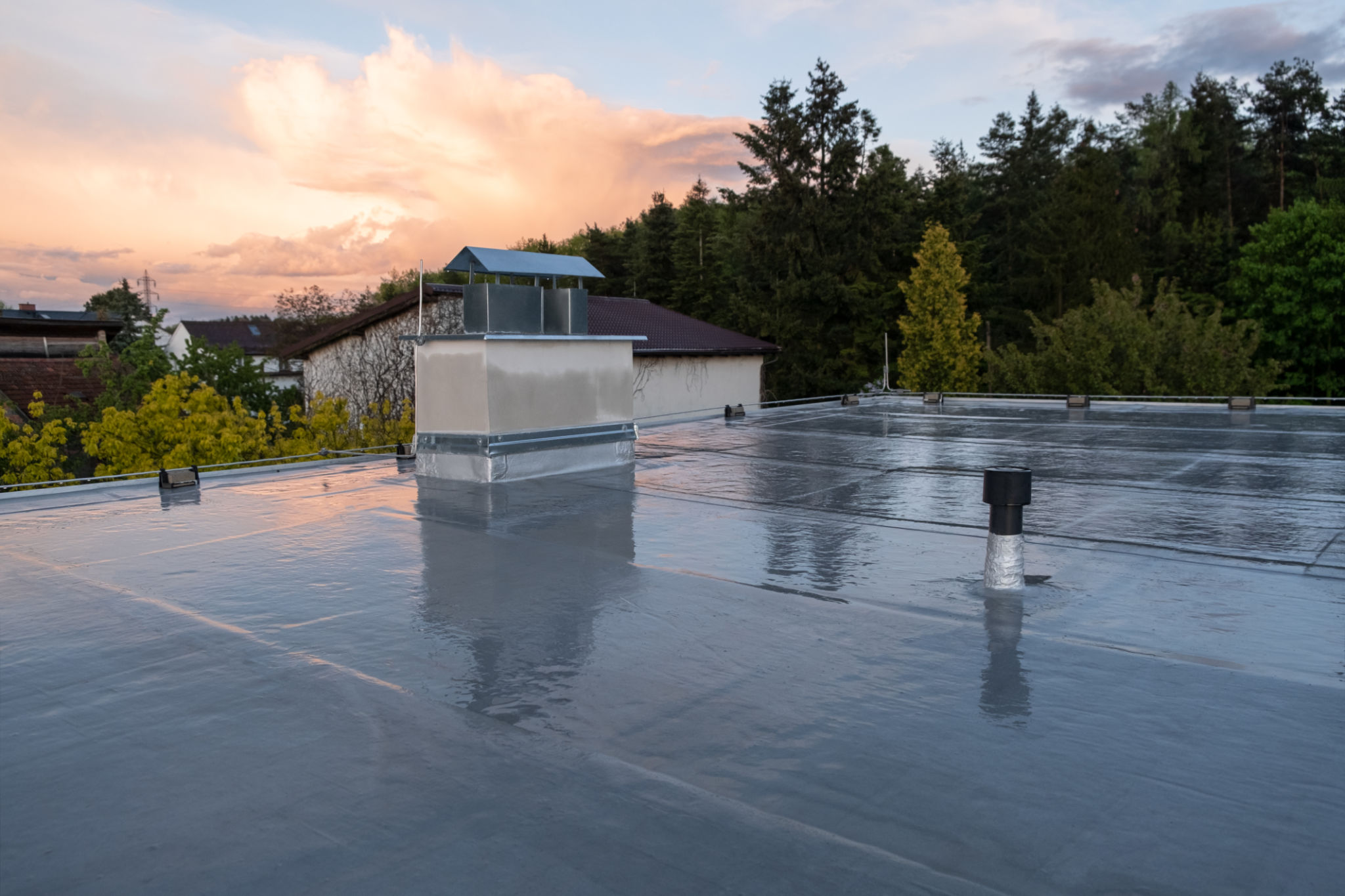
Flat roofs, as the name suggests, are nearly level in contrast to the many types of sloped roofs. Although they are not completely flat, they have a slight pitch to allow water drainage. Flat roofs are a popular choice for commercial buildings due to their modern appearance and cost-effectiveness.
Advantages of Flat Roofs
Cost-Effectiveness: Flat roofs typically require fewer materials and labor, making them a more affordable option upfront. They are quicker to install, reducing costs associated with construction time.
Space Utilization: Flat roofs can be utilized for various purposes such as installing solar panels, creating rooftop gardens, or serving as additional outdoor living space.
Exploring Pitched Roofs
Pitched roofs are characterized by their sloping surfaces, which can vary in steepness. This style is traditional and widely used in residential properties. The slopes help in efficient water drainage, which is a significant advantage in wet climates.
Advantages of Pitched Roofs
Durability: Pitched roofs are often more durable and resistant to weather conditions. Their design allows rain, snow, and debris to slide off easily, reducing the risk of leaks and damage.
Aesthetic Appeal: Many homeowners prefer the classic look of pitched roofs, which can significantly enhance the property's curb appeal. They also offer a variety of design options, from gable to hip roofs.

Climate Considerations
When deciding between flat and pitched roofs, climate plays a crucial role. In areas with heavy rainfall or snow, pitched roofs are generally more practical due to their superior drainage capabilities. Conversely, flat roofs might be more suitable for arid regions where precipitation is minimal.
Cost and Maintenance
While flat roofs may be cheaper to install, they often require more maintenance over time, especially in areas prone to heavy rain. Pitched roofs, though potentially more expensive initially, tend to have a longer lifespan and lower maintenance costs.

Conclusion
Choosing between flat and pitched roofs depends on various factors, including your budget, aesthetic preferences, and the local climate. By weighing the advantages and disadvantages, you can make an informed decision that aligns with your property's needs and your personal preferences.