Flat Roof vs. Pitched Roof: Which is Right for Your Property?


Choosing the right roof for your property is a significant decision that impacts not only the aesthetic appeal but also the functionality and maintenance of your building. The two primary types of roofs, flat and pitched, offer distinct advantages and challenges. Understanding these can help you make an informed choice.
Understanding Flat Roofs
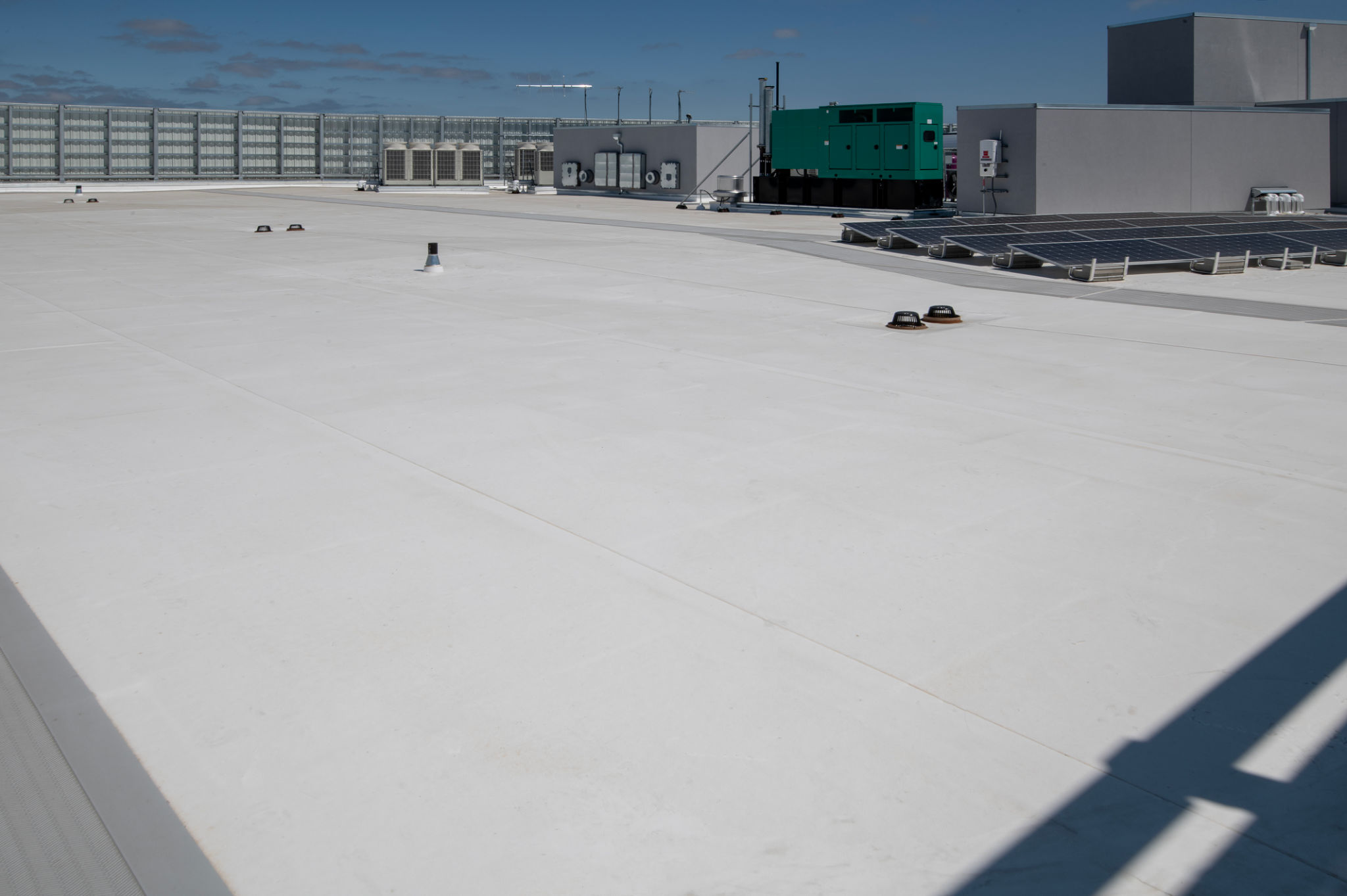
Flat roofs are a popular choice for commercial buildings and modern homes. They offer a sleek, minimalist look that complements contemporary architecture. One of the main advantages of flat roofs is their cost-effectiveness. Typically, they require fewer materials and less labor, making them a budget-friendly option.
Moreover, flat roofs provide additional space for various uses. You can utilize this area for a rooftop garden, solar panels, or even an outdoor living space. However, flat roofs do come with some challenges, primarily related to drainage. Proper installation and regular maintenance are crucial to prevent water pooling, which can lead to leaks.
Exploring Pitched Roofs
Pitched roofs are the traditional choice for residential properties. Their sloped design not only adds a classic charm but also enhances the functional aspects of the roof. One of the key benefits is excellent water drainage. The steep angle allows rainwater and snow to slide off easily, reducing the risk of leaks and water damage.
Additionally, pitched roofs offer extra space in the form of an attic or loft. This can be converted into storage or additional living space. However, pitched roofs generally require more materials and labor, making them more expensive than flat roofs.

Comparing Durability and Maintenance
When it comes to durability, pitched roofs generally have an edge due to their design. They are less prone to water damage and can withstand harsh weather conditions better than flat roofs. However, both types require regular maintenance to ensure longevity.
Flat roofs need frequent inspections to avoid water pooling and membrane damage. In contrast, pitched roofs may require maintenance for potential issues like broken shingles or gutter blockages.

Choosing the Right Roof for Your Needs
Deciding between a flat and pitched roof depends largely on your specific needs and the architectural style of your property. If cost and additional usable space are priorities, a flat roof might be the right choice. On the other hand, if durability and traditional aesthetics are more important, a pitched roof could be the better option.
Consider the climate in your area as well. If you live in a region with heavy rainfall or snow, a pitched roof may offer better protection. Conversely, in milder climates, a flat roof can be a stylish and practical option.
Conclusion
Both flat and pitched roofs have their distinct advantages and challenges. By weighing the factors of cost, maintenance, and personal preference, you can select a roof that not only enhances the beauty of your property but also serves its functional needs effectively.
Ultimately, consulting with a professional roofing contractor can provide further insights tailored to your specific situation, ensuring that your decision aligns with both your aesthetic vision and practical requirements.