Eco-Friendly Roofing Materials: Sustainable Trends in the UK


Introduction to Eco-Friendly Roofing Materials
In recent years, the demand for sustainable and eco-friendly construction materials has surged in the UK. This shift is particularly evident in roofing, where homeowners and builders are seeking materials that not only provide durability but also minimize environmental impact. Let's explore some of the top trends in eco-friendly roofing materials that are making waves across the country.
The Rise of Green Roofs
Green roofs, also known as living roofs, have become increasingly popular in urban areas. These roofs are partially or completely covered with vegetation, providing numerous environmental benefits. They help reduce urban heat islands, improve air quality, and offer insulation, which can lead to significant energy savings.
Moreover, green roofs support biodiversity by providing habitats for various species. They also assist in stormwater management by absorbing rainwater, reducing runoff, and decreasing the risk of flooding in densely populated areas.
Recycled and Reclaimed Materials
Another trend gaining traction is the use of recycled and reclaimed materials in roofing. Materials such as reclaimed slate and clay tiles not only reduce waste but also offer a unique, rustic aesthetic. These materials are often sourced from demolition sites, repurposed to extend their lifecycle.
Recycled metal roofing is also popular, combining durability with sustainability. Metal roofs are known for their longevity and energy efficiency, reflecting solar radiation and reducing cooling costs.

Solar Roofing Solutions
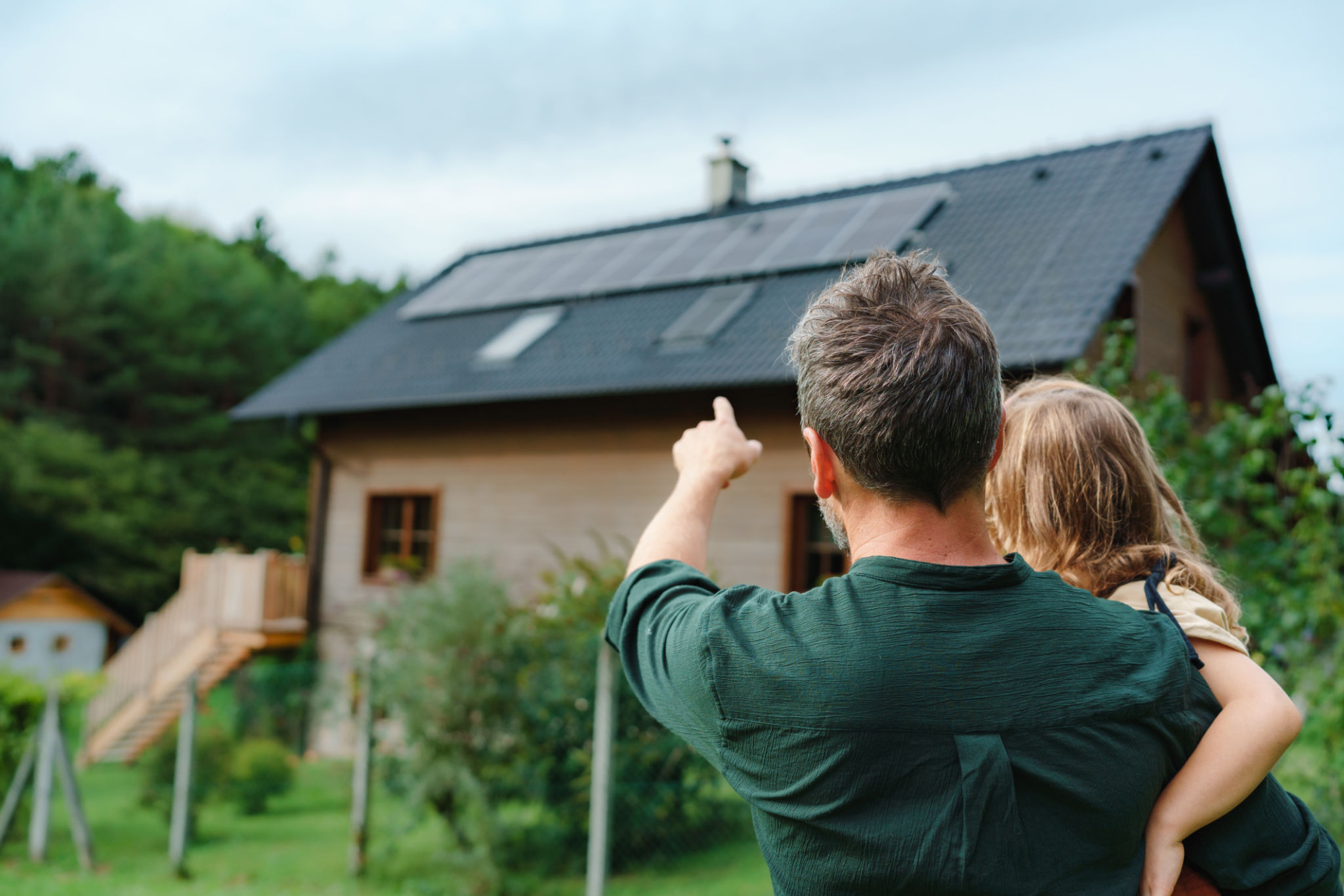
With advancements in technology, solar roofing has become more accessible and efficient. Solar panels and solar tiles can be integrated into roofing systems to harness renewable energy directly from the sun. This not only reduces reliance on non-renewable energy sources but also offers homeowners the potential for energy independence.
Incentives and government schemes in the UK further support the adoption of solar solutions, making them a viable option for those looking to reduce their carbon footprint.
Natural and Biodegradable Materials
Natural materials such as thatch, wood shingles, and bamboo are seeing a resurgence. While traditional, these materials are biodegradable and have a much lower environmental impact compared to synthetic alternatives.
Thatch roofing, for example, offers excellent insulation properties and can be sourced sustainably. Properly maintained, these roofs can last for decades, providing both aesthetic appeal and environmental benefits.

The Future of Eco-Friendly Roofing
As awareness of environmental issues grows, the roofing industry in the UK is set to continue evolving towards more sustainable practices. Innovations in material science and design are likely to introduce even more eco-friendly options, providing homeowners with a wide range of choices to suit their environmental and aesthetic needs.
Investing in eco-friendly roofing is not just about reducing environmental impact; it's also about creating healthier living spaces and contributing to a more sustainable future.
Conclusion
Eco-friendly roofing materials offer a multitude of benefits, from energy savings to enhanced biodiversity. As these trends continue to develop, they promise to transform the landscape of UK roofing, leading to more sustainable and environmentally conscious construction practices. Whether you're building a new home or renovating an existing one, consider these sustainable roofing options to make a positive impact on the environment.