Choosing the Right Roofing Solution: Pitched vs. Flat Roofs


Understanding the Basics of Pitched and Flat Roofs
When it comes to selecting a roofing solution for your home or business, the choice often boils down to two main types: pitched roofs and flat roofs. Each option has its own set of advantages and considerations that can significantly impact your decision. Understanding these differences is essential to making an informed choice.

Advantages of Pitched Roofs
Pitched roofs have been a popular choice for centuries thanks to their classic aesthetic and practical benefits. One of the key advantages is their ability to effectively shed water and snow, reducing the risk of leaks and water damage. This feature is particularly beneficial in regions with heavy rainfall or snowfall.
Another benefit of pitched roofs is their durability. The sloped design allows for better drainage, which can extend the lifespan of roofing materials. Additionally, pitched roofs often provide extra attic space, which can be utilized for storage or even converted into living areas.

Drawbacks of Pitched Roofs
Despite their benefits, pitched roofs may not be suitable for every building. One of the main drawbacks is the cost. The complex design and installation process often make pitched roofs more expensive than their flat counterparts. They also require more materials and labor, adding to the overall expense.
Additionally, the steep angles of pitched roofs can make maintenance and repairs more challenging and potentially hazardous. Homeowners may need to hire professionals for regular upkeep, which can add to long-term costs.
Exploring Flat Roofs
Flat roofs offer a modern and sleek appearance, making them a popular choice for contemporary architecture and commercial buildings. One of their primary advantages is the cost-effectiveness. Flat roofs typically require fewer materials and less labor to install, making them a budget-friendly option.
Benefits of Flat Roofs
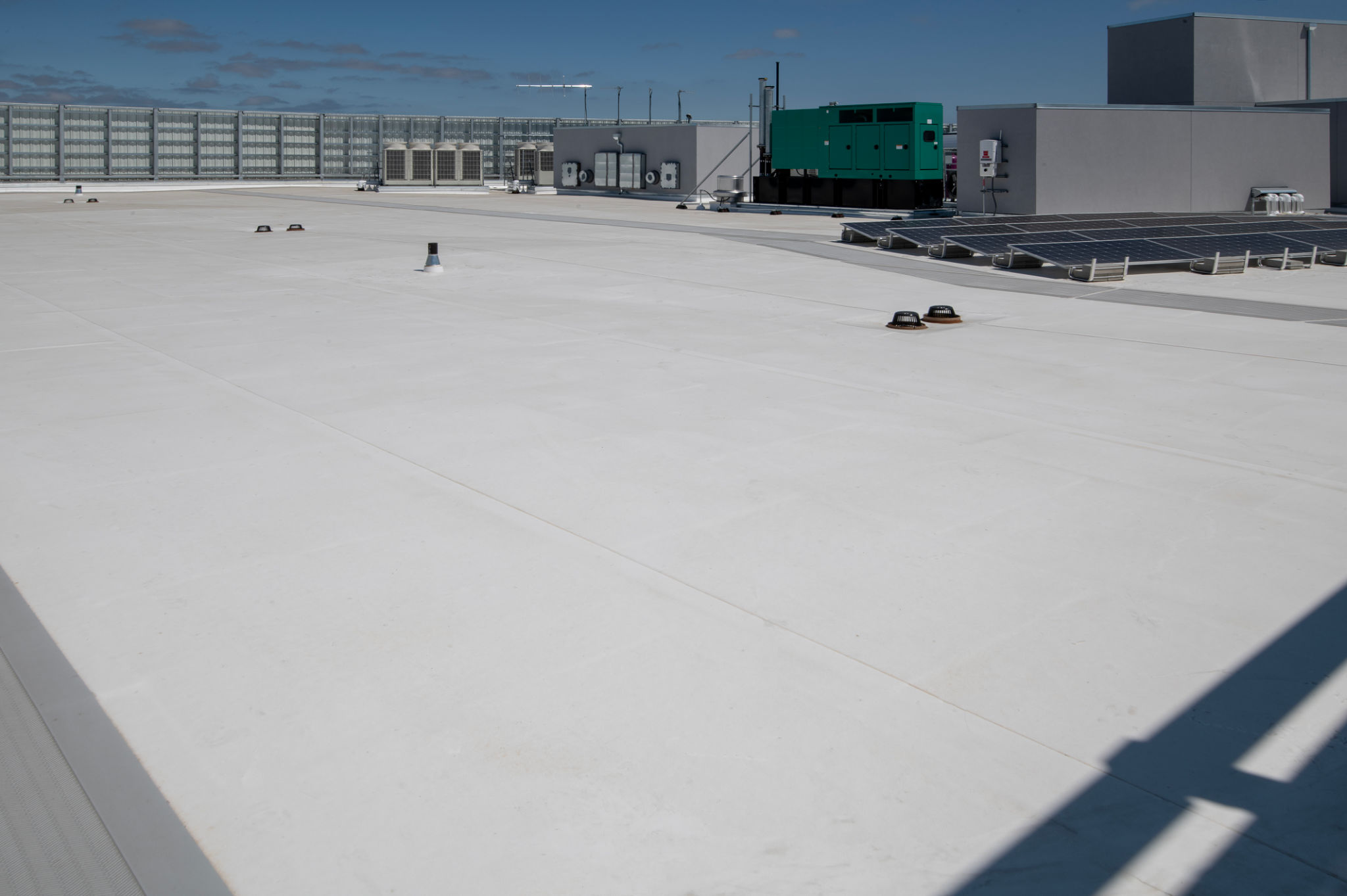
Flat roofs provide a versatile space that can be used for various purposes, such as installing solar panels, creating a rooftop garden, or even setting up a recreational area. Their accessible design makes maintenance tasks, like cleaning gutters or inspecting the roof, simpler and safer.
Moreover, flat roofs can contribute to energy efficiency. They provide an ideal surface for installing insulating materials, helping to regulate indoor temperatures and reduce energy costs.
Challenges of Flat Roofs
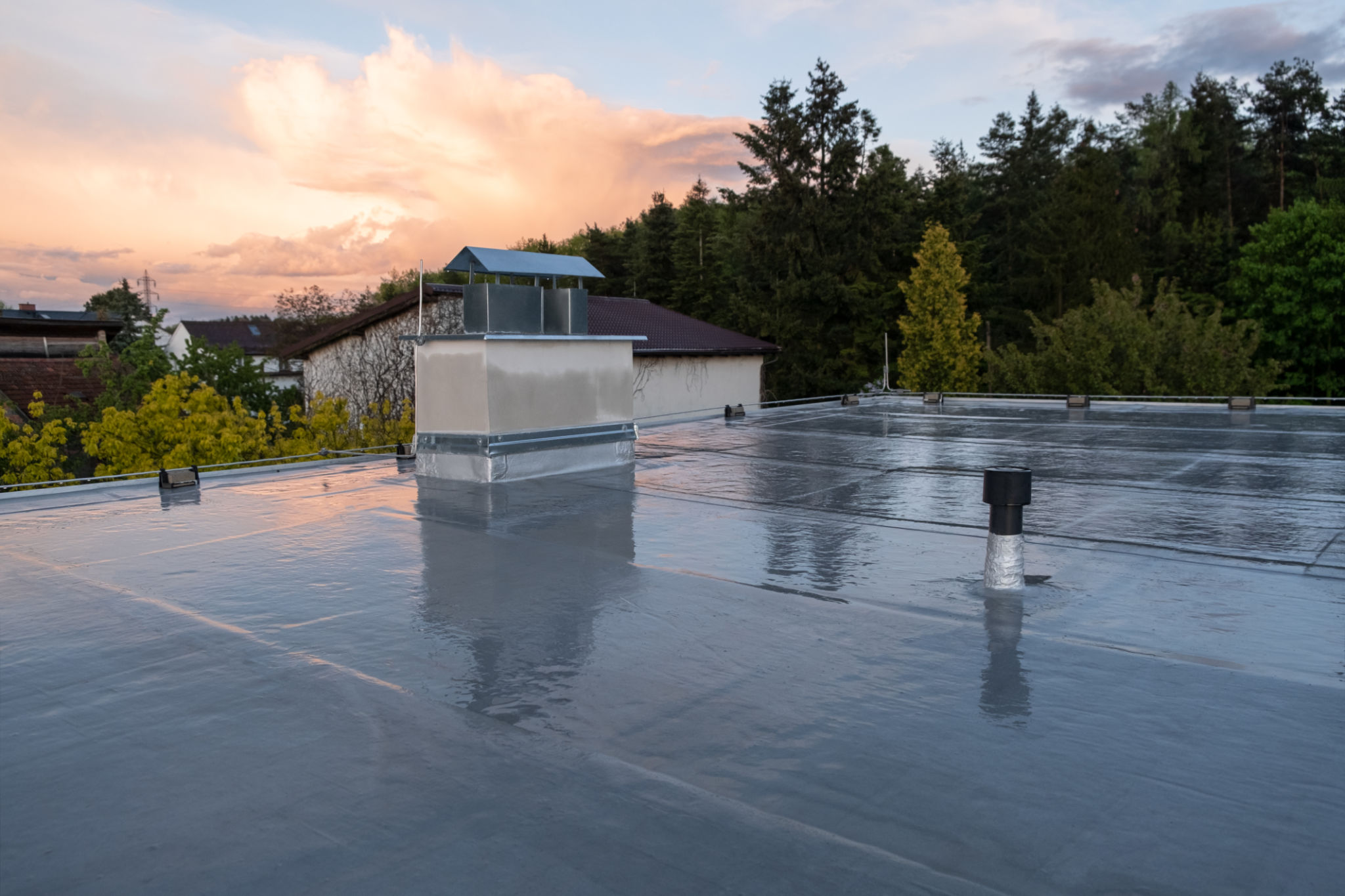
However, flat roofs are not without their challenges. Their lack of slope can lead to water pooling, which can cause leaks and structural damage if not addressed promptly. Proper drainage systems and regular maintenance are crucial to prevent such issues.
Additionally, flat roofs may have a shorter lifespan compared to pitched roofs due to the increased exposure to weather elements. Homeowners should be prepared for more frequent repairs or replacements.
Making the Right Choice
The decision between a pitched or flat roof ultimately depends on various factors, including your budget, aesthetic preferences, and the climate in your area. Both options have unique benefits and challenges that must be weighed carefully.
Consulting with a professional roofing contractor can provide valuable insights into which roofing solution is best suited for your specific needs. By considering both the immediate and long-term implications, you can ensure that your choice adds value and functionality to your property.
