Choosing the Right Roofing Solution: Pitched vs. Flat Roofs


Introduction to Roofing Choices
When it comes to selecting a roofing solution for your home or business, the decision often boils down to two popular options: pitched roofs and flat roofs. Each type comes with its own set of advantages and considerations, making the choice dependent on various factors including climate, budget, and architectural style.

Understanding Pitched Roofs
Pitched roofs are characterized by their sloped design, which allows for efficient water runoff. This type of roof is commonly found in areas with heavy rainfall or snow, as the angle helps prevent water accumulation and potential leaks. Additionally, pitched roofs offer a classic aesthetic that complements many traditional architectural styles.
Benefits of Pitched Roofs
Some of the primary benefits of pitched roofs include:
- Durability: The sloped design enhances the roof's ability to withstand harsh weather conditions.
- Energy Efficiency: Pitched roofs often provide better insulation, reducing heating and cooling costs.
- Versatility: They can accommodate a variety of roofing materials, including shingles, tiles, and metal.
Exploring Flat Roofs
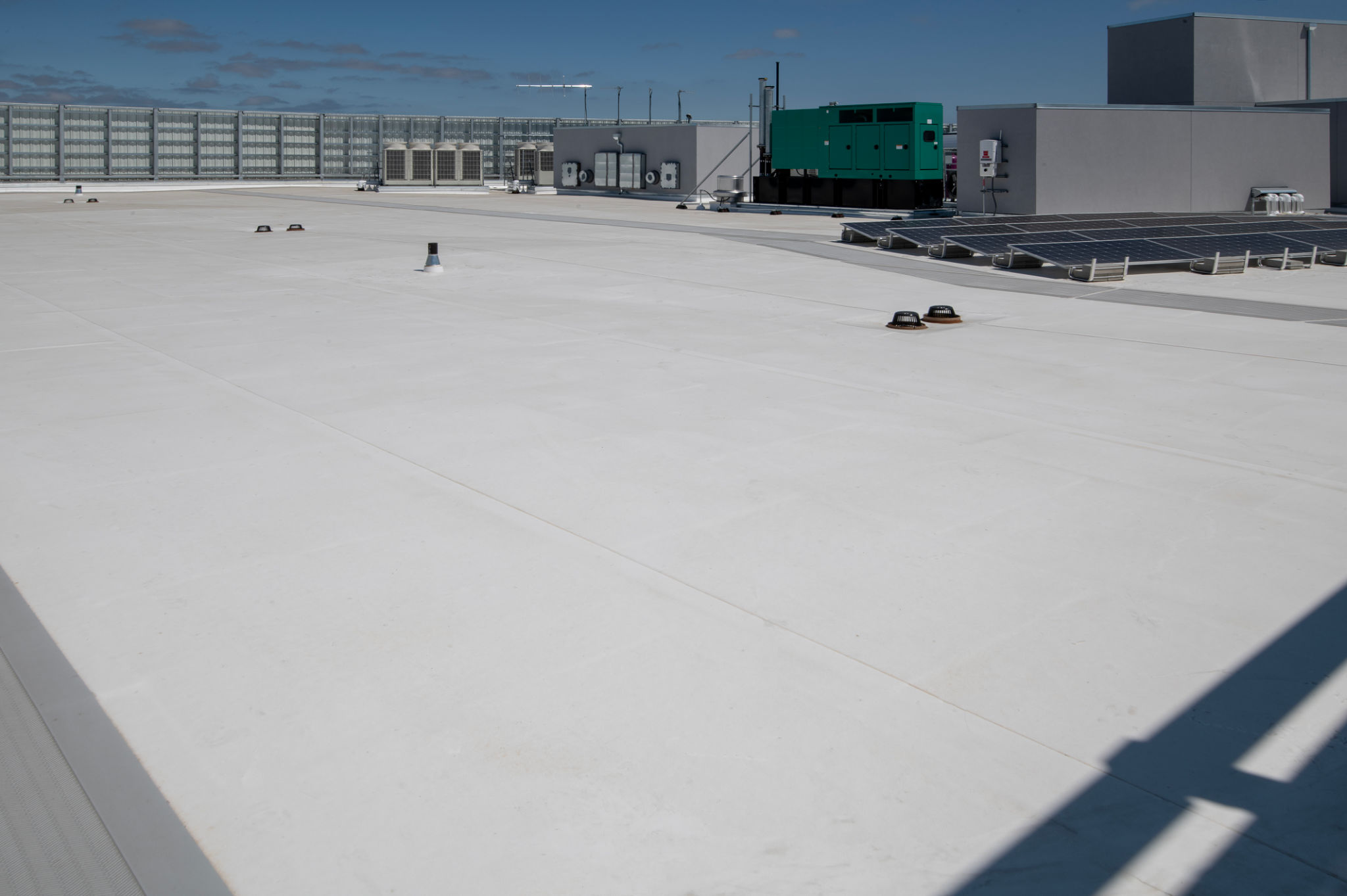
Flat roofs, as the name suggests, have a minimal slope and are a common choice for commercial buildings and modern homes. They offer a sleek, contemporary look and can be an excellent option for those seeking a minimalist design.
Advantages of Flat Roofs
Flat roofs come with their own set of benefits:
- Cost-Effective: They typically require fewer materials and are easier to install, making them a more budget-friendly option.
- Space Utilization: The flat surface can be used for rooftop gardens, solar panels, or additional living space.
- Maintenance: Accessing a flat roof for repairs or inspections is generally easier and safer.
Considerations for Climate
Climate plays a significant role in determining the best roofing solution. In areas with heavy snowfall, a pitched roof might be more suitable due to its ability to shed snow. Conversely, flat roofs can be ideal in dry climates where water drainage is less of a concern.
Budget and Long-Term Costs
While the initial cost of installing a flat roof may be lower, it's crucial to consider long-term maintenance and potential repair costs. Pitched roofs, while often more expensive upfront, may offer savings over time due to their durability and energy efficiency.
Architectural Style and Aesthetics
The architectural style of your home or building should also influence your roofing decision. Pitched roofs tend to align with traditional designs, while flat roofs complement modern, minimalist structures.
Conclusion
Choosing between a pitched and flat roof involves evaluating various factors, including climate, budget, and aesthetics. By understanding the unique benefits and considerations of each type, you can make an informed decision that best suits your needs and enhances the overall value of your property.