A Comprehensive Comparison of Pitched Roof vs. Flat Roof


Introduction
When it comes to designing or renovating a building, one of the crucial decisions you'll face is choosing between a pitched roof and a flat roof. Each option has its unique advantages and drawbacks, and the right choice largely depends on factors like climate, budget, and aesthetic preferences. In this post, we'll delve into a comprehensive comparison of pitched roofs versus flat roofs to help you make an informed decision.
Pitched Roof: Pros and Cons
Advantages of Pitched Roofs
Pitched roofs are a popular choice for residential properties, particularly in areas with heavy rainfall or snowfall. One of the key benefits of a pitched roof is its ability to efficiently shed water and snow, reducing the risk of leaks and structural damage. The sloped design also allows for better insulation, which can lead to energy savings.
Another advantage is the potential for additional living space. Many homeowners opt to convert the attic space beneath a pitched roof into a functional area, adding value to the property. Moreover, the aesthetic appeal of a pitched roof can enhance the overall look of a home, offering a classic and timeless appearance.

Disadvantages of Pitched Roofs
Despite their benefits, pitched roofs do come with some downsides. The initial construction cost is typically higher due to the complexity of the design and the need for more materials. Maintenance can also be more challenging, particularly when it comes to repairs and cleaning.
Additionally, pitched roofs may not be suitable for all architectural styles or locations. In urban areas with limited space, the height of a pitched roof may not be feasible due to zoning regulations or aesthetic considerations.
Flat Roof: Pros and Cons
Advantages of Flat Roofs
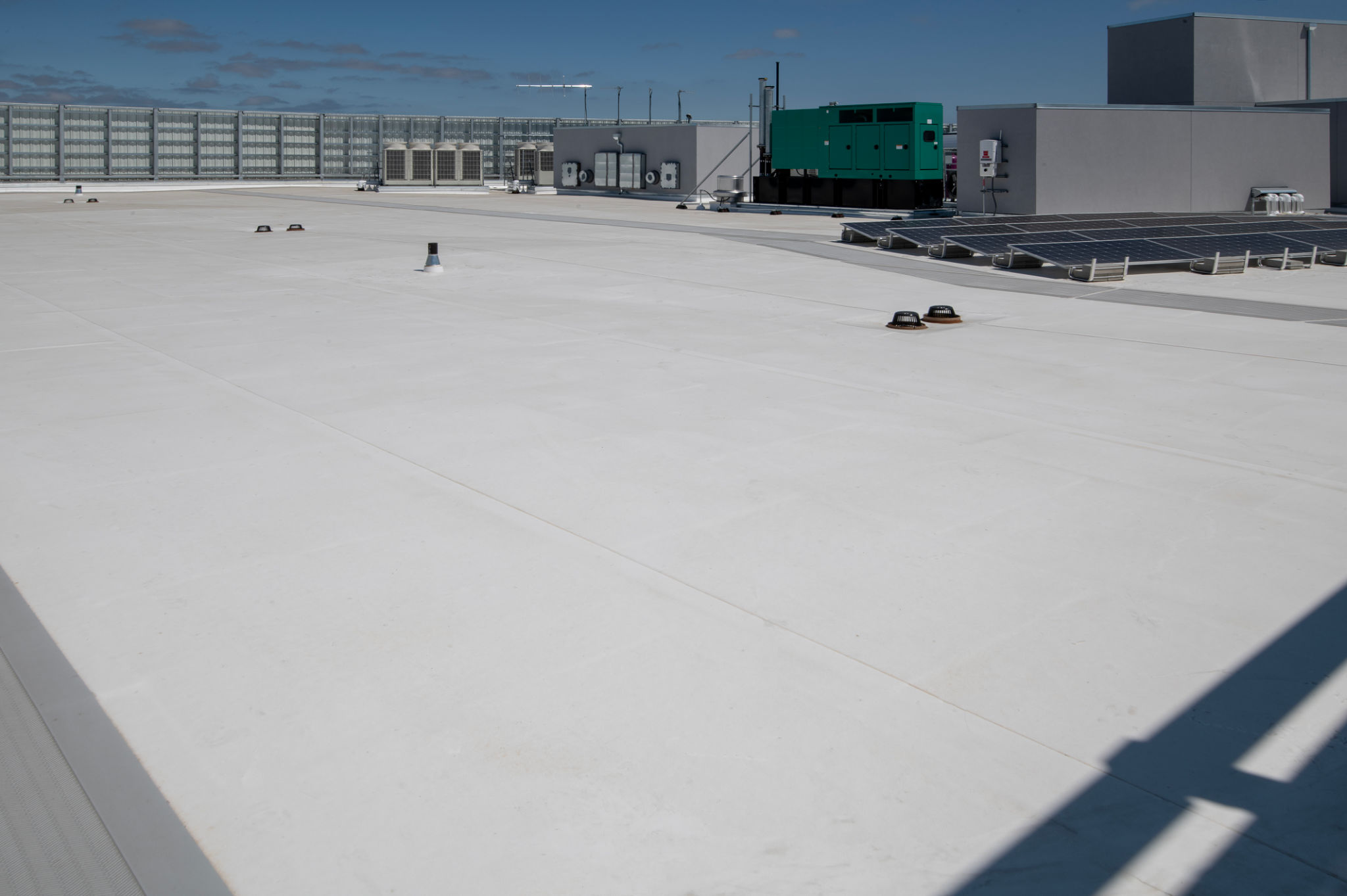
Flat roofs offer a sleek and modern appearance, making them a popular choice for commercial buildings and contemporary homes. One of the primary benefits is their cost-effectiveness. Flat roofs require fewer materials and are generally quicker and easier to install, leading to lower labor costs.
The flat surface provides versatile space for various uses, such as installing solar panels, creating a rooftop garden, or setting up outdoor living areas. This can be particularly advantageous in urban environments where outdoor space is limited.
Disadvantages of Flat Roofs
One of the main drawbacks of flat roofs is their susceptibility to water pooling and leaks. Without a slope to guide water away, drainage systems must be well-designed and maintained to prevent damage. This can lead to higher maintenance costs over time.
Flat roofs also tend to have a shorter lifespan compared to pitched roofs. The materials used often degrade faster due to exposure to the elements. In regions with heavy snowfall, flat roofs may not be ideal as the weight of accumulated snow can cause structural issues.
Conclusion
Ultimately, the choice between a pitched roof and a flat roof depends on your specific needs and circumstances. Consider factors like climate, budget, architectural style, and intended use of space when making your decision. By weighing the pros and cons outlined in this comparison, you'll be better equipped to choose the roofing option that best suits your project.
