A Complete Guide to Pitched Roof Installation and Maintenance


Understanding Pitched Roofs
Pitched roofs, characterized by their sloped design, are a popular choice for homeowners due to their aesthetic appeal and functionality. They help in efficient water drainage and offer extra attic space. Understanding the basics of pitched roofs is crucial before diving into installation and maintenance.
The angle of the pitch can vary, affecting both the appearance and the functionality of the roof. Steeper pitches are excellent for shedding snow and water, while gentler slopes might be easier to construct and maintain. Choosing the right pitch depends on the climate and architectural style of your home.

Installation Process
Installing a pitched roof involves several critical steps. It's essential to start with a solid framework, as this provides the necessary support for the roofing material. The framework typically consists of rafters and trusses, which form the skeleton of the roof.
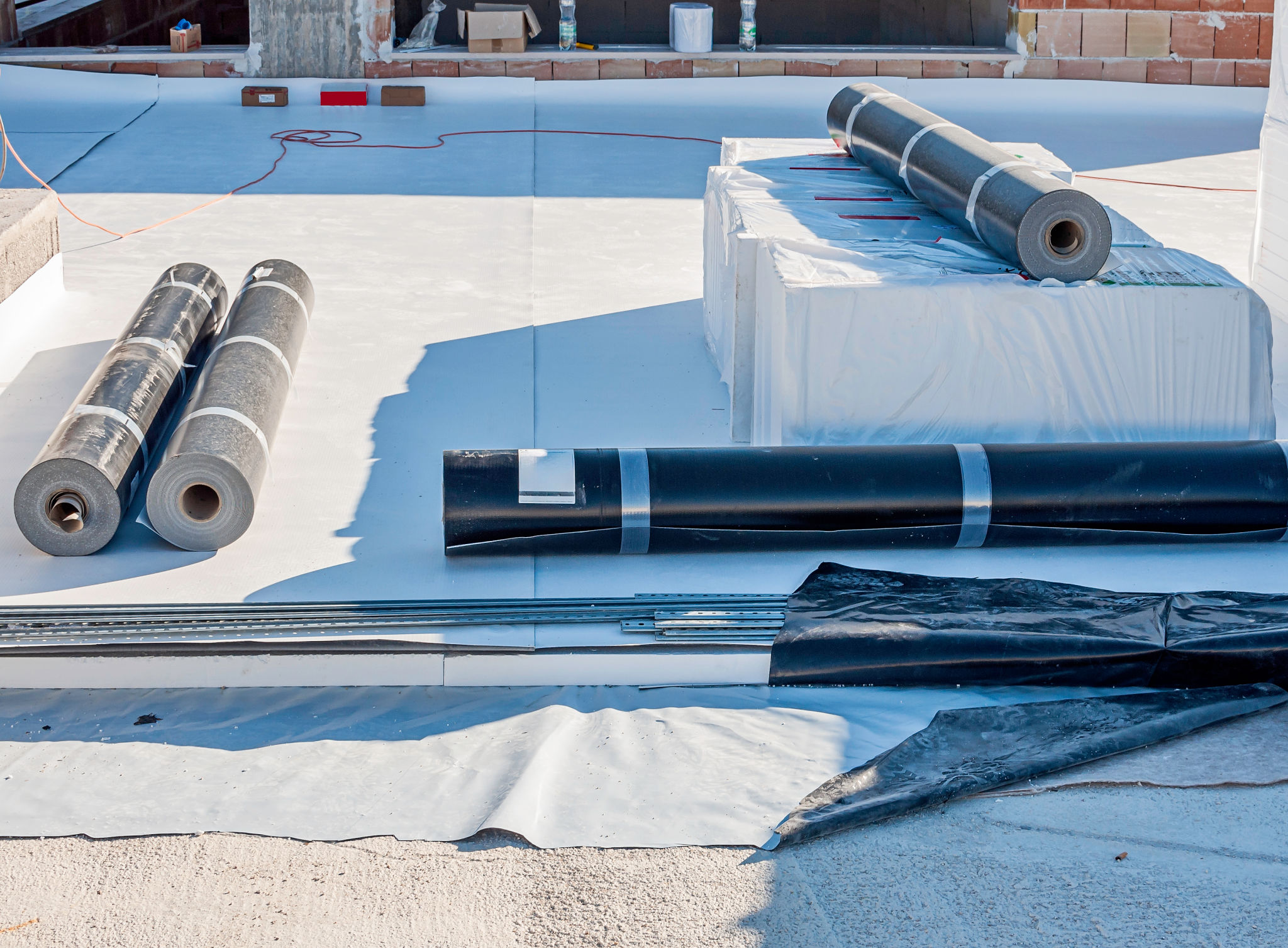
Once the framework is in place, the next step is to add the underlayment, which acts as a barrier against moisture. This is followed by the installation of shingles, tiles, or metal sheets, depending on your material choice. Each material offers unique advantages, such as durability or cost-effectiveness.

Materials for Pitched Roofs
The choice of materials for your pitched roof can significantly impact its longevity and performance. Common materials include asphalt shingles, metal, tiles, and wood. Asphalt shingles are affordable and easy to install, making them a popular choice.
Metal roofs, on the other hand, are known for their durability and longevity, often lasting up to 50 years or more. Tile roofs offer a distinct aesthetic and are highly resistant to fire, while wood shingles provide a natural look but require more maintenance.
Maintenance Tips
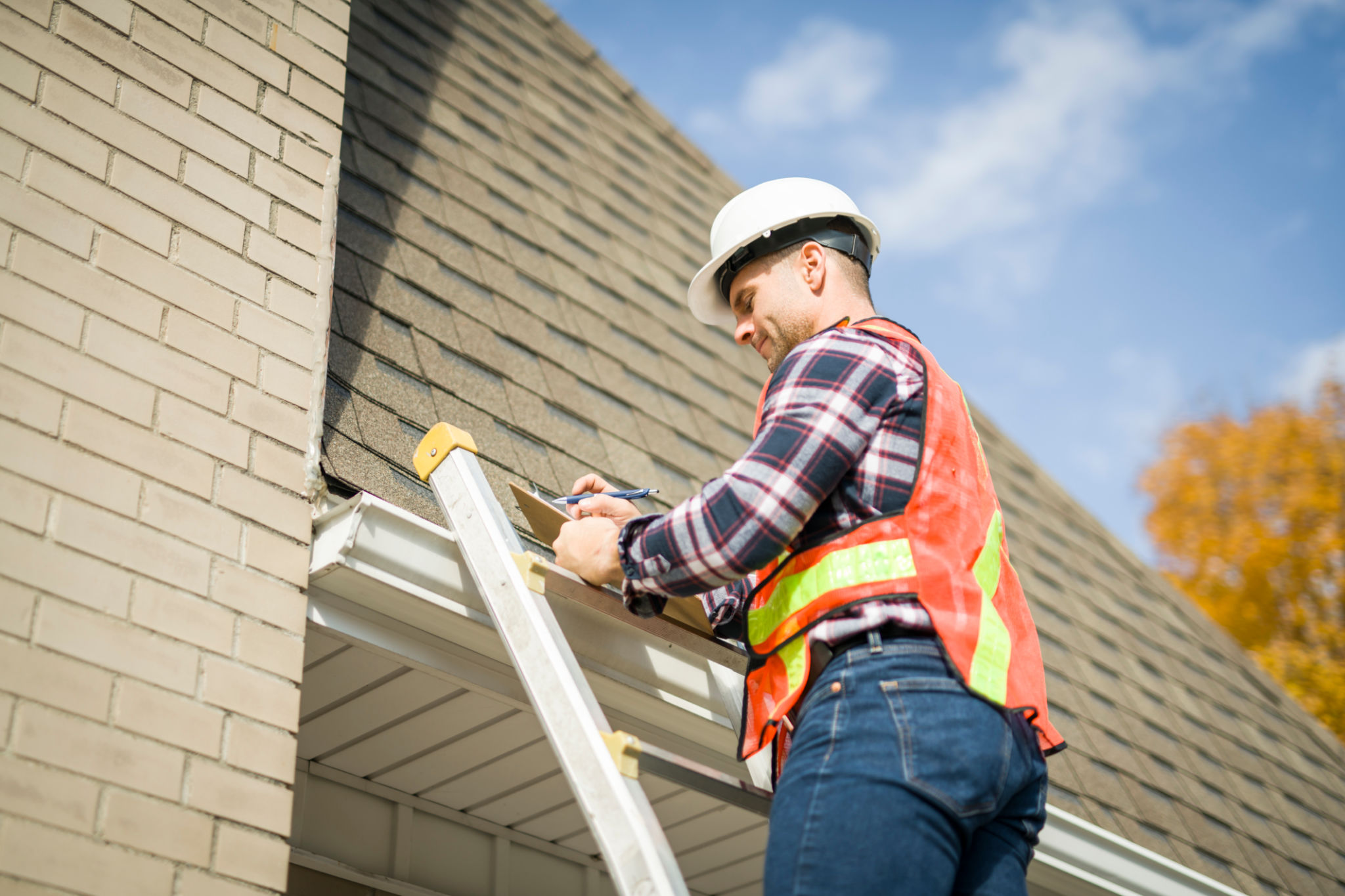
Regular maintenance is key to ensuring the longevity of your pitched roof. Start by conducting visual inspections at least twice a year, looking for signs of damage such as missing shingles or tiles. Addressing small issues promptly can prevent costly repairs.
Cleaning gutters and downspouts is also crucial, as clogged gutters can lead to water damage. Trim overhanging branches to prevent debris accumulation and potential damage from falling limbs. Additionally, consider hiring a professional for annual inspections to catch any underlying issues.
Common Issues and Solutions
Pitched roofs, like any other roofing system, can encounter issues over time. Leaks are a common problem, often caused by damaged shingles or flashing. Replacing damaged materials and sealing gaps can effectively resolve this issue.
Moss and algae growth can also occur, particularly in shaded areas. Regular cleaning and the application of anti-moss treatments can help keep your roof looking pristine. Ensure proper ventilation to prevent moisture buildup, which can lead to mold.
Benefits of Professional Installation
While some homeowners may consider DIY roof installation, hiring a professional ensures the job is done correctly and safely. Professionals have the expertise to handle complex installations, reducing the risk of errors that could lead to costly repairs.
Additionally, many roofing companies offer warranties on both materials and labor, providing peace of mind. They also adhere to local building codes, ensuring your roof meets all necessary regulations and standards.